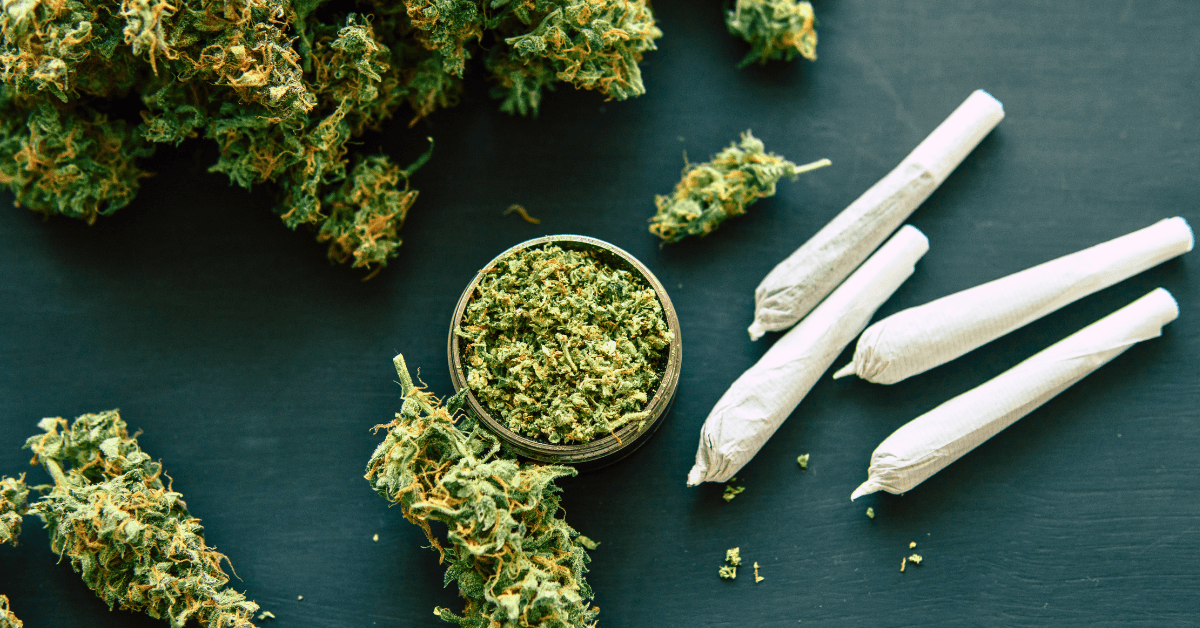
Cannabis Intoxication

The reversible behavioral and physical changes following cannabis use, ranging from mild euphoria to significant anxiety or paranoia.

DSM · F12.12x · F12.92x
ICD · 6C41.3
Severity · Mild
Prevalence · Extremely common given widespread cannabis use; rates of intoxication-related distress have risen alongside increasing THC potency in many markets
Cannabis Intoxication. The reversible behavioral and physical changes following cannabis use, ranging from mild euphoria to significant anxiety or paranoia. marijuana high symptoms, cannabis intoxication effects, weed paranoia, cannabis overdose symptoms, THC intoxication signs

Overview

Cannabis Intoxication describes the reversible behavioral and physiological changes that develop during or shortly after cannabis use. For many people, this is the experience cannabis is sought out for, mild euphoria, relaxation, altered perception of time, increased appetite. But the same syndrome covers a considerably wider range than that pleasant, expected experience, including significant anxiety, paranoia, and, for some, transient psychotic-like symptoms, particularly with higher doses or higher-potency products.

A genuinely important shift in this clinical picture over recent years involves THC potency. Cannabis products available today, particularly concentrates and certain cultivated strains, often contain dramatically higher THC concentrations than products from even a decade or two ago, meaningfully changing the intoxication experience and the likelihood of anxiety, paranoia, or more severe reactions for people using products without accounting for this shift.

While cannabis intoxication carries considerably lower acute medical risk than alcohol or many other substances in this manual, particularly regarding direct physiological danger, the psychological experience for some people, especially with high doses or in unfamiliar circumstances, can be genuinely distressing and occasionally frightening, even without representing a medical emergency in the way severe alcohol or opioid intoxication can.

Symptoms & signs

Behavioral and perceptual changes
Euphoria, anxiety, a sensation that time is passing slowly, impaired judgment, and, particularly with higher doses, social withdrawal.

Physical signs
Conjunctival injection (red eyes), increased appetite, dry mouth, and tachycardia (elevated heart rate), reflecting cannabis’s characteristic physiological effects.

Cognitive impairment
Impaired motor coordination, impaired short-term memory, and impaired complex decision-making, all of which can persist for the duration of intoxication and pose genuine risk in situations like driving.

Anxiety and paranoia
For some people, particularly at higher doses or with high-potency products, intoxication can produce significant anxiety, paranoid thinking, or a sense of panic, sometimes severe enough to prompt an emergency room visit, even though these symptoms typically resolve as intoxication wears off.

Rare but recognized severe reactions
Less commonly, particularly with very high doses, transient hallucinations or delusions can occur, generally resolving once the acute intoxication passes, though these experiences can be genuinely frightening in the moment.

Emotional

⋅ Euphoria and relaxation in typical, lower-dose intoxication
⋅ Significant anxiety or panic, particularly at higher doses
⋅ Paranoid thinking or a sense that others are watching or judging
⋅ Emotional lability, shifting between pleasant and distressing states

Cognitive

⋅ Impaired short-term memory during intoxication
⋅ Distorted sense of time, often feeling slowed
⋅ Impaired judgment and complex decision-making
⋅ Rarely, transient paranoid or psychotic-like thinking at high doses

Physical

⋅ Conjunctival injection (red eyes) and dry mouth
⋅ Increased appetite
⋅ Tachycardia (elevated heart rate)
⋅ Impaired motor coordination

Behavioral

⋅ Social withdrawal, particularly at higher doses
⋅ Impaired performance on tasks requiring coordination or quick judgment, including driving
⋅ Increased food intake connected to appetite stimulation
⋅ Seeking reassurance or medical attention during episodes of significant anxiety or paranoia

Who's affected

Given how widespread cannabis use is, intoxication itself is extremely common. Reports of significant intoxication-related distress, particularly anxiety, paranoia, and emergency evaluation, have increased in recent years, a trend frequently connected to rising THC potency in many legal and illegal markets compared to previous decades.

Risk factors for a more distressing intoxication experience include inexperience with cannabis, use of high-potency products or concentrates without adjusting expectations accordingly, a personal or family history of anxiety or psychotic disorders, and use in an unfamiliar or stressful setting.

Comorbidity with anxiety disorders is notable, since people prone to anxiety may be more susceptible to experiencing paranoia or panic during intoxication, and a personal or family history of psychotic disorders is a recognized risk factor for more significant, though still typically transient, psychotic-like symptoms during intoxication.

What causes it

Cannabis intoxication results from THC’s action on cannabinoid receptors throughout the brain, particularly in regions involved in reward, memory, motor coordination, and anxiety regulation.

Dose and potency directly influence the intensity and character of the intoxication experience; significantly higher THC concentrations, increasingly common in modern cannabis products, particularly concentrates, produce a meaningfully more intense experience than products of the potency more common in previous decades, a shift that hasn’t always been matched by equivalent shifts in public understanding or careful dosing practices.

Individual variation in cannabinoid receptor sensitivity and prior experience with cannabis significantly shapes how a given dose affects a particular person; someone without developed tolerance, or someone using an unfamiliar, high-potency product, is considerably more likely to experience an intense or distressing reaction than a more experienced user accustomed to lower-potency products.

Setting and expectation play a genuine role in the subjective experience, with anxiety, an unfamiliar environment, or negative expectations about the experience itself associated with a higher likelihood of a distressing rather than pleasant intoxication experience.

How it's diagnosed

Cannabis Intoxication is diagnosed based on recent cannabis use, with clinically significant problematic behavioral or psychological changes developing during or shortly after use, alongside two or more signs developing within two hours of use: conjunctival injection, increased appetite, dry mouth, and tachycardia. The symptoms aren’t attributable to another medical condition and aren’t better explained by another mental disorder.

Differential diagnosis requires distinguishing cannabis intoxication from other substance intoxication, particularly when cannabis has been combined with other substances, and from primary anxiety or psychotic disorders, particularly when significant paranoia or psychotic-like symptoms occur, since these symptoms should resolve as the acute intoxication passes, distinguishing intoxication-related symptoms from an underlying, ongoing psychiatric condition that happens to coincide with cannabis use.

Treatment

Treatment for cannabis intoxication is generally supportive, given the considerably lower acute medical risk compared to several other substances covered in this manual.

Supportive care for typical intoxication
For most intoxication experiences, reassurance, a calm, safe environment, and time are sufficient, since symptoms naturally resolve as the THC is metabolized.

Managing significant anxiety or panic
For intoxication involving significant anxiety or panic, calm reassurance, a quiet environment away from overstimulation, and reminding the person that the experience is temporary and connected to the substance, rather than a sign of something more seriously wrong, often helps considerably.

Addressing rare, severe reactions
In the uncommon cases involving significant paranoia, hallucinations, or psychotic-like symptoms, particularly at very high doses, medical evaluation can help rule out other contributing causes and may include, in select cases, medication to manage acute distress while the intoxication resolves.

No specific reversal agent
As with alcohol, there’s no medication that directly reverses cannabis intoxication; supportive care and time are the primary approach for the large majority of cases.

Addressing patterns of concerning intoxication
If episodes of significant distress during intoxication are recurring, this may point toward a need to reassess use patterns, product potency, or an underlying use disorder or anxiety condition worth addressing directly.

Self-care & coping

If you’re experiencing significant anxiety or paranoia during intoxication, remind yourself it’s temporary. This is a recognized, common experience that resolves as the substance wears off, even though it can feel intensely real and frightening in the moment.

Find a calm, safe environment and a trusted person if you’re having a difficult experience. Reducing stimulation and having reassurance nearby tends to ease the intensity of anxiety or paranoia considerably.

Be aware of significantly higher THC potency in modern products, particularly concentrates. If you’re using a product you’re unfamiliar with, starting with a smaller amount than you might assume based on past experience with lower-potency products is a reasonable precaution.

If you have a personal or family history of anxiety or psychotic disorders, approach cannabis use with particular caution. This is a recognized risk factor for a more difficult intoxication experience.

If significant distress during intoxication is becoming a recurring pattern, consider whether your overall use warrants a closer look. This might be worth discussing with a healthcare provider, particularly regarding your relationship with cannabis more broadly.

Outlook

The outlook for cannabis intoxication is excellent in the large majority of cases; symptoms resolve naturally within a few hours as the body metabolizes THC, without lasting physical harm from the acute episode itself.

Even significant anxiety or paranoia during intoxication typically resolves completely once the acute effects pass, generally without requiring specific medical intervention beyond supportive reassurance.

Recurring episodes of significant distress during intoxication may point toward an underlying anxiety vulnerability, a need to reconsider product potency or use patterns, or, for some, an emerging cannabis use disorder worth addressing directly with a healthcare provider.

When to seek help

Seek a calm, supportive environment first for typical intoxication-related anxiety, since this usually resolves with reassurance and time alone.

Seek medical evaluation if intoxication involves severe, persistent symptoms, including significant chest pain, very high heart rate that doesn’t settle, or psychotic-like symptoms that don’t resolve as the intoxication wears off, since these warrant evaluation to rule out another contributing cause.

Seek evaluation for a broader pattern of use if significant distress during intoxication is becoming recurrent, since this can be useful information pointing toward an underlying anxiety condition, a need to adjust use patterns, or a developing use disorder.

Someone in your life might be quietly looking for this. Share it:

Facebook
Reddit
X
WhatsApp
Medically reviewed by

MD, Psychiatrist

Psychiatry & Mental Health

I’m a psychiatrist from a new generation of doctors, trained on current evidence, fluent in the world you actually live in. I created Am I a Psycho? because mental health information should be accurate, honest, and written like a human being is talking to you. That’s the whole mission.

People Also Ask

Can you overdose on cannabis?

Cannabis carries considerably lower acute medical risk than substances like alcohol or opioids, and a fatal overdose from cannabis alone is extremely rare. However, very high doses, particularly of high-potency products or concentrates, can produce significant, distressing anxiety, paranoia, or, uncommonly, transient psychotic-like symptoms. These are generally not medically dangerous in the way overdose from other substances can be, though they can feel intensely frightening in the moment and sometimes prompt an emergency room visit.

Why does cannabis cause paranoia in some people?

This varies considerably between individuals and is influenced by dose, potency, individual sensitivity, and personal risk factors like a history of anxiety. Higher THC doses, particularly from increasingly potent modern products, are more likely to produce paranoid or anxious thinking than the lower-potency products more common in past decades. People with a personal or family history of anxiety or psychotic disorders may also be more susceptible to this particular reaction.

Why might cannabis affect people differently today than it did decades ago?

THC potency in many cannabis products, particularly concentrates, has increased significantly compared to products available in previous decades. This means a given amount of cannabis today can produce a considerably more intense experience than the same amount might have produced with older, lower-potency products, which is part of why caution and awareness of potency matter, especially for less experienced users.

What should I do if someone is having a bad reaction to cannabis?

Move them to a calm, quiet environment, offer reassurance that the experience is temporary and connected to the substance, and stay with them until it passes. Most intoxication-related anxiety or paranoia resolves on its own within a few hours. Seek medical evaluation if symptoms are severe, don’t improve, or if you’re concerned about another substance being involved or a more serious underlying issue.

References

Hall, W., & Degenhardt, L. (2009). Adverse health effects of non-medical cannabis use. The Lancet, 374(9698), 1383–1391. PubMed

Chandra, S., Radwan, M. M., Majumdar, C. G., Church, J. C., Freeman, T. P., & ElSohly, M. A. (2019). New trends in cannabis potency in USA and Europe during the last decade (2008-2017). European Archives of Psychiatry and Clinical Neuroscience, 269(1), 5–15. PubMed

Hines, L. A., Freeman, T. P., Gage, S. H., Zammit, S., Hickman, M., Cannon, M., Munafo, M., MacLeod, J., & Heron, J. (2020). Association of high-potency cannabis use with mental health and substance use in adolescence. JAMA Psychiatry, 77(10), 1044–1051. PubMed

Crippa, J. A., Zuardi, A. W., Martín-Santos, R., Bhattacharyya, S., Atakan, Z., McGuire, P., & Fusar-Poli, P. (2009). Cannabis and anxiety: a critical review of the evidence. Human Psychopharmacology, 24(7), 515–523. PubMed

Skosnik, P. D., Cortes-Briones, J. A., & Hajos, M. (2016). It’s all in the rhythm: the role of cannabinoids in neural oscillations and psychosis. Biological Psychiatry, 79(7), 568–577. PubMed

Keep Exploring

Schizophreniform Disorder. A psychotic disorder identical to schizophrenia in its symptoms but lasting 1 to 6 months — often the first sign of a more persistent condition to come. schizophreniform disorder symptoms, schizophreniform vs schizophrenia, schizophreniform disorder treatment, first episode psychosis, schizophreniform prognosis

Schizophreniform Disorder

A psychotic disorder identical to schizophrenia in its symptoms but lasting 1 to 6 months —...

F20.81

psychiatry anxiety depression conditions test
Premenstrual Dysphoric Disorder. premenstrual dysphoric disorder symptoms, PMDD vs PMS, PMDD treatment, PMDD diagnosis, PMDD SSRIs. A cyclic mood disorder causing severe emotional and physical symptoms in the weeks before menstruation — predictable, impairing, and highly treatable.

Premenstrual Dysphoric Disorder

A cyclic mood disorder causing severe emotional and physical symptoms in the weeks before menstruation —...

F32.81

psychiatry anxiety depression conditions test
Disinhibited Social Engagement Disorder. A pattern of culturally inappropriate, indiscriminate familiarity with unfamiliar adults rooted in severe early neglect — and one that, unlike its counterpart disorder, often persists despite improved caregiving. DSED symptoms, disinhibited social engagement disorder in children, DSED vs ADHD, DSED treatment, attachment disorder overfamiliarity

Disinhibited Social Engagement Disorder

A pattern of culturally inappropriate, indiscriminate familiarity with unfamiliar adults rooted in severe early neglect —...

F94.2

psychiatry anxiety depression conditions test

Understand It Better

why do i cry for no reason Many people cry without understanding why. Learn what unexplained crying may mean, the hidden emotional and medical causes behind it, and when it may be time to seek professional support.

Mind & Daily Life

Why Do I Cry for No Reason? 12 Hidden Causes Explained

Why do I cry for no reason? Discover the emotional, psychological, and medical causes of unexplained crying, when it's normal,...

Why Do I Always Attract the Wrong People? You keep ending up in the same emotional place — different person, same story. If you've ever asked yourself why you always attract the wrong people, the answer isn't bad luck or poor judgment. A psychiatrist explains the real psychological pattern behind it, and what actually changes things.

Mind & Daily Life

Why Do I Always Attract the Wrong People?

You keep ending up in the same emotional place — different person, same story. If you've ever asked yourself why...

Smiling Depression: Why do I fake being happy? Smiling depression concept showing a high functioning individual wearing a happy mask over a sad face, answering the question why do I fake being happy.

Living With It

Smiling Depression: Why do I fake being happy?

Do you feel empty inside but keep putting on a brave face? Explore the hidden signs of smiling depression, why...