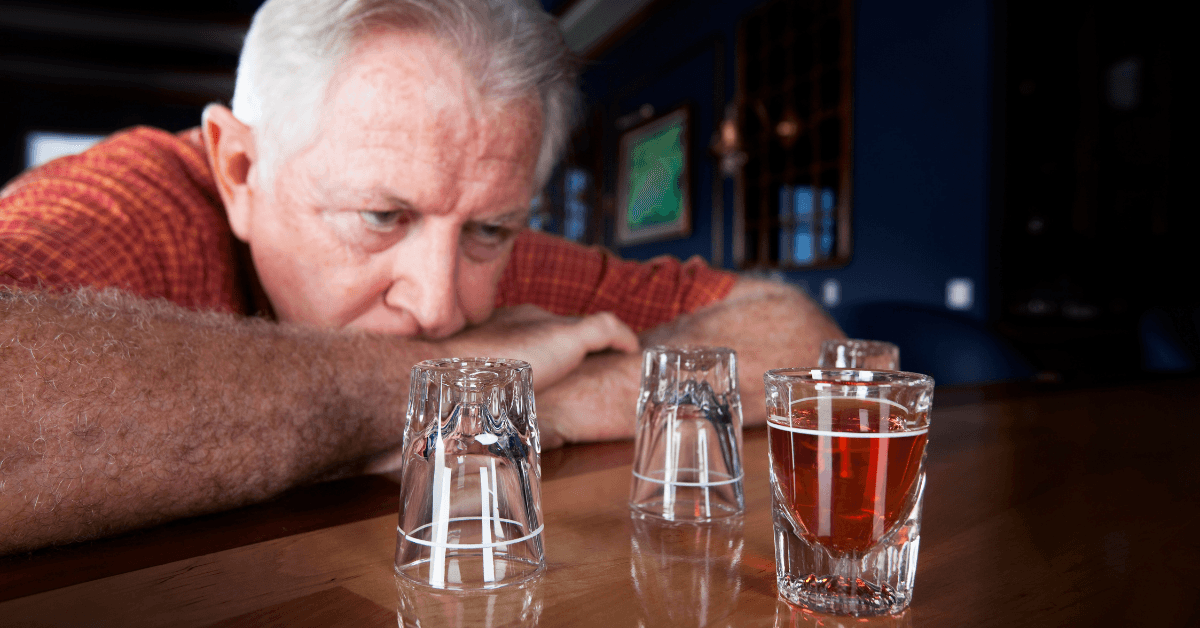
Alcohol Use Disorder

A problematic pattern of alcohol use leading to significant impairment or distress, ranging from mild to severe.

DSM · F10.10 · F10.20
ICD · 6C40.2
Severity · Severe
Prevalence · ~5-10% 12-month prevalence, varies by country; more common in men
Alcohol Use Disorder. A problematic pattern of alcohol use leading to significant impairment or distress, ranging from mild to severe. alcohol use disorder symptoms, alcoholism treatment, alcohol addiction signs, alcohol use disorder causes, is my drinking a problem

Overview

Alcohol Use Disorder (AUD) describes a problematic pattern of alcohol use leading to clinically significant impairment or distress, evidenced by a cluster of behavioral, physical, and psychological symptoms occurring within a 12-month period. DSM-5-TR replaced the older, separate categories of “alcohol abuse” and “alcohol dependence” with this single, spectrum-based diagnosis, recognizing that problematic drinking exists along a continuum of severity rather than as two distinct, separate conditions.

The diagnosis spans from mild to severe, determined by how many of eleven specific criteria are met, and this range matters considerably for understanding the condition. Someone meeting the threshold for mild AUD looks, and often needs to be approached, quite differently than someone with severe AUD involving significant physical dependence, though both fall under the same diagnostic umbrella, reflecting a genuinely wide range of human experience with alcohol that doesn’t divide neatly into “problem” and “no problem.”

A defining and important feature woven throughout the criteria is the loss of control over drinking, drinking more or longer than intended, persistent desire or unsuccessful efforts to cut down, and significant time spent obtaining, using, or recovering from alcohol, alongside continued use despite knowing it’s causing harm. This combination, wanting to change but finding it genuinely difficult to do so, is central to understanding AUD as a clinical condition rather than simply a matter of insufficient willpower.

Symptoms & signs

Impaired control over drinking
Drinking more or for longer than intended, a persistent desire or unsuccessful attempts to cut down or control use, and spending significant time obtaining alcohol, drinking, or recovering from its effects.

Social and occupational impairment
Continued use despite it causing problems in relationships, work, or school, giving up or reducing important activities because of drinking, and recurrent use in situations where it’s physically hazardous (such as driving).

Risky use despite consequences
Continued drinking despite knowing it’s causing or worsening a physical or psychological problem, and craving, a strong urge or desire to drink.

Tolerance
Needing markedly increased amounts of alcohol to achieve the desired effect, or experiencing markedly diminished effect with continued use of the same amount.

Withdrawal
Experiencing the characteristic withdrawal syndrome when alcohol use is reduced or stopped, or drinking specifically to avoid or relieve withdrawal symptoms.

Emotional

⋅ Strong craving or urge to drink
⋅ Guilt, shame, or distress connected to drinking patterns or their consequences
⋅ Irritability or anxiety when unable to drink
⋅ Persistent worry about controlling or stopping use, alongside difficulty actually doing so

Cognitive

⋅ Persistent preoccupation with obtaining or using alcohol
⋅ Minimization or rationalization of the extent or consequences of drinking
⋅ Difficulty concentrating on responsibilities due to drinking or its aftereffects
⋅ Memory gaps connected to episodes of heavy drinking

Physical

⋅ Tolerance, requiring more alcohol to achieve the same effect over time
⋅ Withdrawal symptoms when reducing or stopping use
⋅ Physical signs connected to chronic heavy use, such as liver-related symptoms
⋅ Hangover-related symptoms that interfere with daily functioning

Behavioral

⋅ Drinking more or longer than intended on a recurrent basis
⋅ Continued use despite clear social, occupational, or health consequences
⋅ Giving up important activities in favor of drinking
⋅ Drinking in physically hazardous situations, such as before driving

Who's affected

AUD has a 12-month prevalence of approximately 5-10%, varying considerably by country and population studied, and is more common in men, though rates among women have been rising in several countries in recent years.

Risk factors include a family history of AUD or other substance use disorders, early age of first alcohol use, certain co-occurring mental health conditions, particularly mood and anxiety disorders, and significant life stress or trauma exposure.

Comorbidity with depression, anxiety disorders, and other substance use disorders is extensive and frequently bidirectional, with each condition capable of worsening the other in a self-reinforcing way.

What causes it

AUD develops through an interaction of genetic, neurobiological, and environmental factors.

Genetic factors are substantial, with twin and family studies estimating heritability at roughly 50%, among the higher genetic contributions of any condition in this manual, and specific genes affecting alcohol metabolism and reward sensitivity have been identified as contributing to individual risk.

Neurobiological changes occur with sustained heavy use; alcohol’s effects on reward circuitry, particularly dopamine pathways, drive reinforcement of the drinking pattern, while chronic use produces lasting changes in stress and reward system regulation that contribute to craving and relapse risk long after stopping.

Environmental factors, including family drinking patterns, peer influence, cultural attitudes toward alcohol, and significant life stress or trauma, particularly during adolescence when the brain is still developing, meaningfully shape both initial use patterns and risk of progression to a use disorder.

Co-occurring mental health conditions, particularly anxiety and depression, frequently contribute to and are worsened by alcohol use, with many people initially using alcohol to self-medicate symptoms of an underlying condition, a pattern that often deepens both problems over time.

How it's diagnosed

AUD is diagnosed based on a problematic pattern of alcohol use leading to clinically significant impairment or distress, evidenced by at least two of eleven specific criteria occurring within a 12-month period: drinking more or longer than intended, persistent desire or unsuccessful efforts to cut down, significant time spent obtaining/using/recovering, craving, recurrent failure to fulfill major role obligations, continued use despite social/interpersonal problems, giving up important activities, recurrent use in hazardous situations, continued use despite physical/psychological problems, tolerance, and withdrawal. Severity is specified as mild (2-3 criteria), moderate (4-5 criteria), or severe (6 or more criteria).

Differential diagnosis requires distinguishing AUD from non-disordered drinking that doesn’t meet this specific threshold, and assessing for co-occurring mental health conditions, since these frequently complicate both diagnosis and treatment planning. A thorough medical evaluation is important given the physical complications heavy, sustained alcohol use can cause.

Treatment

AUD responds to a range of effective treatments, and recovery, however a person defines it for themselves, is genuinely achievable.

Medically supervised withdrawal management
For those with significant physical dependence, medically supervised detoxification is an important first step, given the genuine medical risks (including seizures and delirium tremens) that unsupervised alcohol withdrawal can carry in more severe cases.

Behavioral therapies
Cognitive-behavioral therapy, motivational enhancement therapy, and structured programs combining individual and group approaches all have solid evidence, addressing triggers, building coping skills, and supporting sustained motivation for change.

Pharmacotherapy
Naltrexone, acamprosate, and disulfiram are FDA-approved medications with evidence for supporting reduced drinking or sustained abstinence, each working through different mechanisms and suited to different treatment goals and patient profiles.

Mutual support groups
Alcoholics Anonymous and similar peer support programs provide ongoing community and structure that many people find valuable alongside formal treatment.

Addressing comorbid conditions
Given high rates of co-occurring depression and anxiety, integrated treatment addressing both the substance use and the mental health condition together tends to produce better outcomes than treating either in isolation.

Self-care & coping

Seek medical guidance before stopping, especially with heavy, sustained use. Withdrawal can be medically serious, and a supervised approach is the safest path.

Engage with both therapy and, where appropriate, medication. Combined approaches tend to outperform either alone.

Identify your specific triggers and build a concrete plan around them. Understanding what situations or emotions tend to precede drinking helps you prepare alternative responses.

Address underlying anxiety or depression directly. Treating these alongside the drinking pattern supports more durable recovery.

Build a support network, whether through mutual support groups, trusted people, or both. Recovery tends to go better with consistent connection rather than in isolation.

Outlook

The prognosis for AUD with appropriate treatment is genuinely favorable, and many people achieve significant, lasting reduction in drinking or sustained abstinence with combined behavioral and pharmacological treatment.

Without treatment, the course tends to be chronic and progressive, with worsening physical, social, and occupational consequences over time. Relapse is common during recovery and doesn’t indicate treatment failure; sustained engagement with treatment and support over time gives the best foundation for lasting change.

Comorbid mental health conditions generally require concurrent, integrated treatment for the best outcomes.

When to seek help

Seek evaluation if your drinking, or someone else’s, is causing problems in relationships, work, or health, or if you’ve tried to cut down without success.

Seek medical guidance before stopping if you drink heavily and regularly, given the genuine risks of unsupervised withdrawal.

Seek urgent help if you or someone else experiences confusion, seizures, hallucinations, or severe agitation while reducing or stopping alcohol use. This requires immediate medical attention.

Someone in your life might be quietly looking for this. Share it:

Facebook
Reddit
X
WhatsApp
Medically reviewed by

MD, Psychiatrist

Psychiatry & Mental Health

I’m a psychiatrist from a new generation of doctors, trained on current evidence, fluent in the world you actually live in. I created Am I a Psycho? because mental health information should be accurate, honest, and written like a human being is talking to you. That’s the whole mission.

People Also Ask

What is the difference between alcohol abuse and alcohol dependence?

DSM-5-TR no longer uses these as two separate diagnoses. Earlier editions distinguished “alcohol abuse” from “alcohol dependence,” but research showed these weren’t truly distinct categories. They were combined into a single diagnosis, alcohol use disorder, rated on a spectrum from mild to severe based on how many diagnostic criteria are met, better reflecting how problematic drinking actually presents across a continuum.

Is alcohol withdrawal dangerous?

It can be, particularly for people with heavy, sustained drinking patterns. Severe alcohol withdrawal can include seizures and a serious condition called delirium tremens, involving confusion, hallucinations, and significant autonomic instability. This is why medically supervised withdrawal management is recommended for anyone with significant physical dependence, rather than attempting to stop alone.

Can alcohol use disorder be treated without medication?

Yes, behavioral therapies like cognitive-behavioral therapy and motivational enhancement therapy have solid evidence on their own, and many people achieve meaningful recovery through therapy and support groups alone. That said, combining therapy with medications like naltrexone or acamprosate, when appropriate, tends to improve outcomes further for many people, and it’s worth discussing both options with a treatment provider.

What’s the most effective treatment for alcohol use disorder?

There’s no single approach that works for everyone. The strongest outcomes generally come from combining behavioral therapy, appropriate medication, and ongoing support, whether through mutual support groups, trusted relationships, or both. Treating any co-occurring depression or anxiety alongside the drinking pattern is also an important part of effective, comprehensive treatment.

References

Witkiewitz, K., Litten, R. Z., & Leggio, L. (2019). Advances in the science and treatment of alcohol use disorder. Science Advances, 5(9), eaax4043. PubMed

Hasin, D. S., O’Brien, C. P., Auriacombe, M., Borges, G., Bucholz, K., Budney, A., Compton, W. M., Crowley, T., Ling, W., Petry, N. M., Schuckit, M., & Grant, B. F. (2013). DSM-5 criteria for substance use disorders: recommendations and rationale. American Journal of Psychiatry, 170(8), 834–851. PubMed

Verhulst, B., Neale, M. C., & Kendler, K. S. (2015). The heritability of alcohol use disorders: a meta-analysis of twin and adoption studies. Psychological Medicine, 45(5), 1061–1072. PubMed

Jonas, D. E., Amick, H. R., Feltner, C., Bobashev, G., Thomas, K., Wines, R., Kim, M. M., Shanahan, E., Gass, C. E., Rowe, C. J., & Garbutt, J. C. (2014). Pharmacotherapy for adults with alcohol use disorders in outpatient settings: a systematic review and meta-analysis. JAMA, 311(18), 1889–1900. PubMed

Substance Abuse and Mental Health Services Administration. (2021). Key substance use and mental health indicators in the United States: results from the 2020 National Survey on Drug Use and Health. SAMHSA. SAMHSA

Keep Exploring

Generalized Anxiety Disorder. Excessive, uncontrollable worry spanning multiple areas of life — not a personality trait, but a chronic anxiety disorder with significant physical and functional consequences. generalized anxiety disorder symptoms, GAD treatment, GAD vs normal anxiety, chronic worry disorder, generalized anxiety disorder diagnosis

Generalized Anxiety Disorder

Excessive, uncontrollable worry spanning multiple areas of life — not a personality trait, but a chronic...

F41.1

psychiatry anxiety depression conditions test
Avoidant Personality Disorder. A pervasive pattern of social inhibition, feelings of inadequacy, and hypersensitivity to criticism, often confused with shyness or introversion. avoidant personality disorder vs social anxiety, AVPD symptoms, fear of rejection disorder, avoidant personality disorder treatment, social inhibition disorder

Avoidant Personality Disorder

A pervasive pattern of social inhibition, feelings of inadequacy, and hypersensitivity to criticism, often confused with...

F60.6

psychiatry anxiety depression conditions test
Separation Anxiety Disorder. separation anxiety disorder symptoms, separation anxiety disorder in adults, separation anxiety disorder treatment, school refusal anxiety, separation anxiety DSM-5. Excessive, developmentally inappropriate fear of separation from attachment figures — a leading cause of school refusal in children and a frequently overlooked condition in adults.

Separation Anxiety Disorder

Excessive, developmentally inappropriate fear of separation from attachment figures — a leading cause of school refusal...

F93.0

psychiatry anxiety depression conditions test

Understand It Better

What to Expect at Your First Therapy Session. Nervous about your first therapy session? Here's exactly what happens, what your therapist will ask, and how to prepare — so you walk in calm instead of panicked. what to expect in therapy, how to prepare for therapy, first therapy appointment

Treatment Guide

What to Expect at Your First Therapy Session

Nervous about your first therapy session? Here's exactly what happens, what your therapist will ask, and how to prepare so...

What Adult ADHD Actually Feels Like (From the Inside). Adult ADHD isn't the hyperactive kid stereotype. Here's what it actually feels like from the inside — time blindness, task paralysis, emotional intensity — with real-life examples. adult ADHD. adult ADHD symptoms, what ADHD feels like, ADHD in adults

Living With It

What Adult ADHD Actually Feels Like (From the Inside)

Adult ADHD isn't the hyperactive kid stereotype. Here's what it actually feels like from the inside, time blindness, task paralysis,...

why do i cry for no reason Many people cry without understanding why. Learn what unexplained crying may mean, the hidden emotional and medical causes behind it, and when it may be time to seek professional support.

Mind & Daily Life

Why Do I Cry for No Reason? 12 Hidden Causes Explained

Why do I cry for no reason? Discover the emotional, psychological, and medical causes of unexplained crying, when it's normal,...